Fjords and Basalt: Finding Stillness in Iceland's East
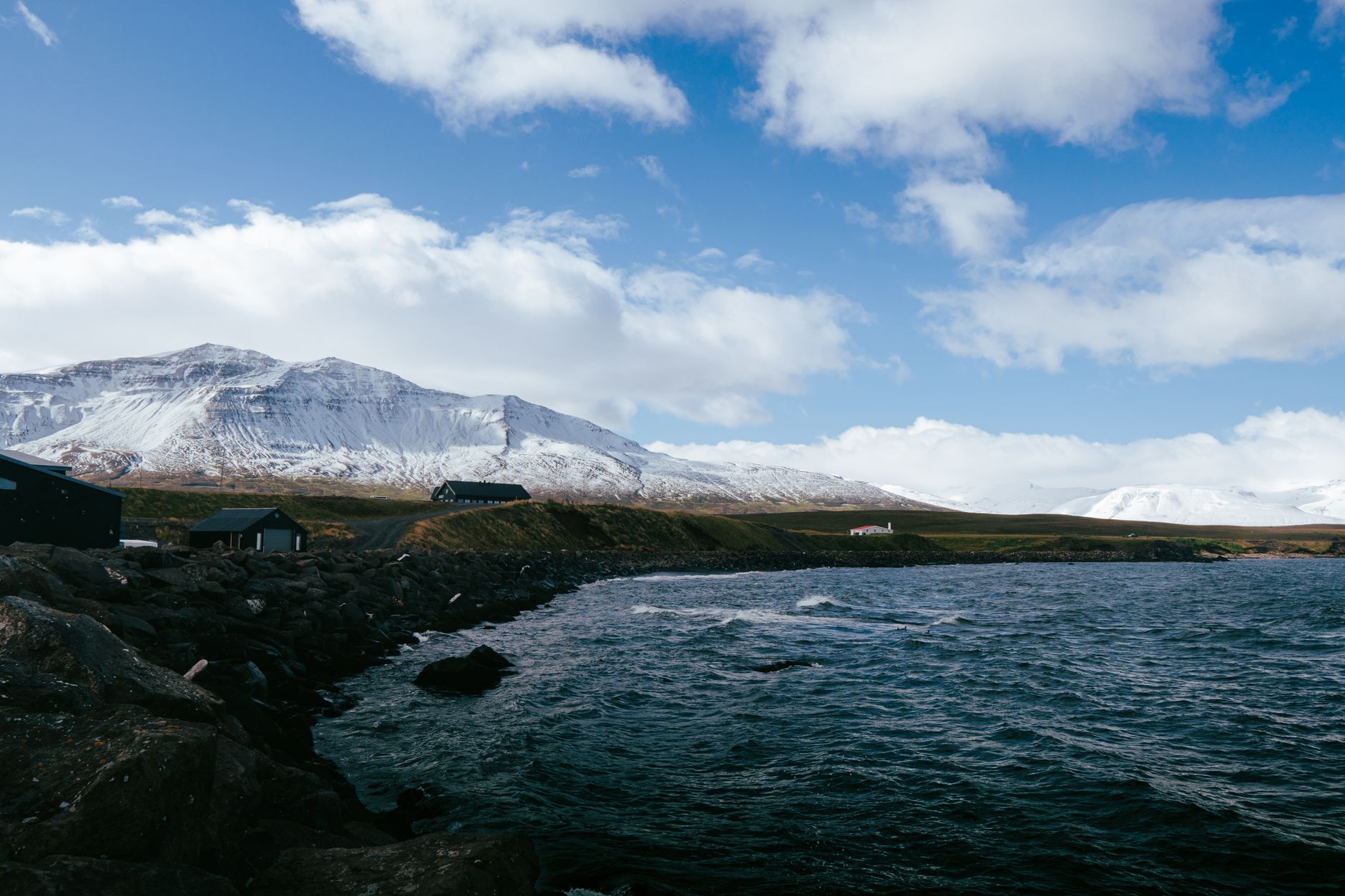
Most visitors who land in Keflavik remain tethered to the southwest peninsula, tracing the well-trodden loop of geysers and tour buses that compose the Golden Circle. But to understand the true elemental psyche of Iceland, one must drive eastward across the high volcanic desert of Möðrudalur until the earth drops precipitously into the Eastfjords—Austfirðir.
Here, basalt columns rise like gothic organ pipes directly from dark ocean swells. Settlements like Seyðisfjörður and Borgarfjörður Eystri nestle at the base of sheer rhyolite walls, their small painted timber houses braving sub-arctic gales with stoic grace.
The Geography of Isolation
In Borgarfjörður Eystri, home to fewer than one hundred year-round residents, time loses its standard metric urgency. We spent hours watching northern fulmars wheel against the sea fog while geothermal hot tubs warmed tired muscles after long coastal ridgeline walks.
“In vast landscapes with no trees, the sky becomes your ceiling and the horizon your only companion. The human ego shrinks back to its rightful size.”
The vernacular turf houses preserved throughout the region demonstrate an architectural wisdom modern developers routinely ignore: earth, stone, and sod used not merely as rustic aesthetics, but as superior thermal mass against punishing sub-polar squalls.
Travel Field Notes
When embarking on an Eastfjord exploration, respect the weather warnings published by the local meteorological institute. Road 93 over the Fjarðarheiði mountain pass can shift from clear tarmac to zero-visibility whiteout in under forty minutes. Travel slowly, respect speed ceilings, and leave no trace upon fragile moss tundras that require centuries to heal.
Interested in remote sub-arctic retreats?
Inquire about our private Nordic field recommendations.